
Solar Power, Designed Your Way
On-Grid, Off-Grid & Hybrid energy systems
From grid-connected savings to off-grid independence and smart hybrid backup, our solar solutions are tailored for efficiency, flexibility, and long-term value.
On-Grid Solar Power System
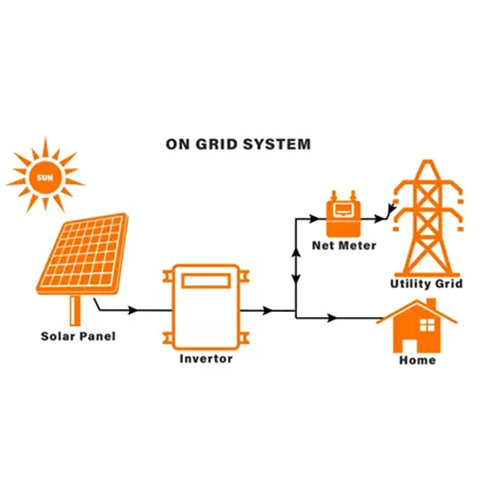
Also known as a grid-tied system, the On-Grid solar power system works in connection with the utility electricity grid. Solar panels generate DC power, which is converted into AC power using a grid-tied inverter to run home or business appliances. This system operates only when grid power is available, as it depends on the grid for voltage and frequency reference.
During the daytime, solar energy powers your needs, and any excess electricity generated is sent back to the utility grid through net metering, helping reduce monthly electricity bills. When solar power is insufficient, such as at night or on cloudy days, electricity is automatically drawn from the grid. On-grid systems are cost-effective, easy to maintain, and ideal for locations with reliable grid connectivity.
Primary Components
- Solar Panel Array
- Grid-Tied Solar Inverter
- Net Meter
- Utility Electricity Grid
Off-Grid Solar Power System
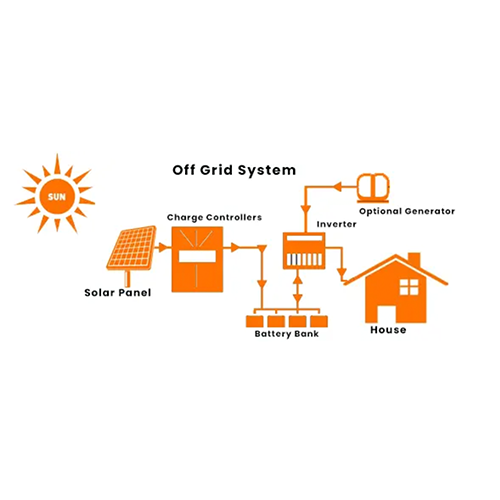
An Off-Grid solar power system operates completely independent of the utility electricity grid and is supported by battery backup. Solar panels generate power during the day, which is used to run household appliances while simultaneously charging the batteries through an inverter. During night time or power outages, the stored energy in the batteries ensures uninterrupted power supply.
These systems allow flexibility in energy usage by prioritizing either battery charging or direct power consumption, making them ideal for remote and rural locations with frequent power cuts and good sunlight availability. However, when solar generation is low due to weather conditions and battery storage is depleted, power availability becomes limited. Additionally, any excess energy generated beyond battery and usage requirements cannot be utilized and may go to waste, as there is no grid connection for exporting surplus power.
Primary Components
- Solar Panel Array
- Inverters
- Batteries
Hybrid Solar Power System
A Hybrid solar power system combines the advantages of both on-grid and off-grid systems by integrating solar panels, battery storage, and the utility electricity grid. During the daytime, solar energy is used to power appliances, while excess power is stored in batteries or exported to the grid through net metering.
In case of power outages, the system automatically switches to battery backup, ensuring uninterrupted power supply. At night or during low solar generation, electricity can be drawn from either the batteries or the grid. Hybrid systems offer high reliability, efficient energy management, and reduced electricity costs, making them suitable for residential, commercial, and industrial applications where continuous power availability is essential.
Primary Components
- Solar Panel Array
- Hybrid Solar Inverter
- Battery Bank
- Net Meter
- Utility Electricity Grid

Comparing Solar Power Options
|
Feature
|
On-Grid
|
Off-Grid
|
Hybrid
|
|---|---|---|---|
|
Grid Connection
|
yes
|
No
|
yes
|
|
Battery Storage
|
No
|
Yes
|
Yes
|
|
Works During Outages
|
No
|
Yes
|
Yes
|
|
Nighttime Power
|
Grid
|
Battery
|
Grid + Battery
|
|
Surplus Energy Use
|
Exported to grid
|
Wasted
|
Exported to grid
|
|
Cost
|
Low
|
High
|
High
|
Choosing the Right Solar Power System
Before investing in solar energy, consider the following aspects:
- How reliable is grid electricity in your area?
- How frequent are power outages?
- What are your current electricity costs?
- What is your budget for solar installation?
If grid power is stable and outages are rare, an on-grid system is the most economical choice.
For frequent outages or remote locations, an off-grid system offers independence.
If you want reliability, savings, and backup power, a hybrid system is ideal.
Key Considerations Before Installing Solar
Roof Suitability
Most RCC roofs can easily support solar installations. Panels typically add 10–20 kg per square meter. A professional structural assessment is recommended.
Shadow-Free Installation
Panels should face south and remain free from shadows throughout the day to ensure optimal performance. Most installers provide a free site survey.
Weather & Wind Resistance
Ensure mounting structures are designed to withstand local wind loads and extreme weather conditions. Insurance coverage for natural disasters is highly recommended.
Grid Connectivity & Net Metering
Grid-connected systems with net metering are cost-effective and convenient. Your installer should manage all approvals, documentation, and coordination with local DISCOM authorities.
Warranties & Insurance
- Solar panels: 10-year product warranty and 25-year performance warranty
- Inverters: 5–10 years manufacturer warranty
- Installation: 5–10 years workmanship warranty
Insurance during installation protects against unforeseen damage and risks.
Government Subsidies in India
Government subsidies significantly reduce solar installation costs:
- 40% subsidy for systems up to 3 kWp
- 20% subsidy for systems between 4–10 kWp
Subsidies are available only through DISCOM-approved solar developers.
Maintenance & Long-Term Performance
Solar power systems require periodic cleaning and preventive maintenance. Annual Maintenance Contracts (AMCs) help ensure consistent performance and system longevity.
Go Green – Get Your Solar Power System Today!
Talk to us and get a customized solar solution designed for your energy needs. Our experts will guide you from system selection to installation and approvals.